Soil, slabs and cracking in Tallawong NSW
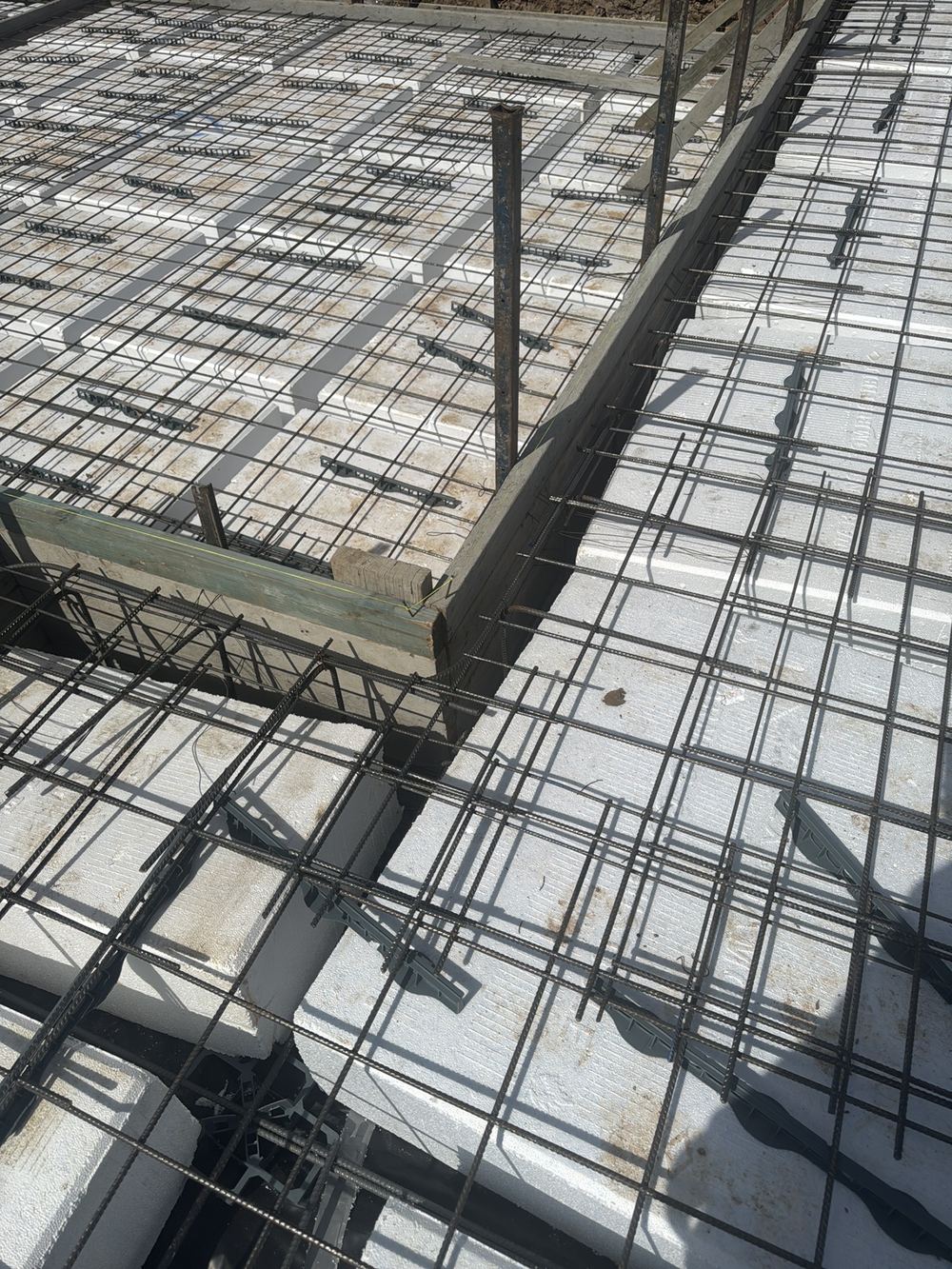
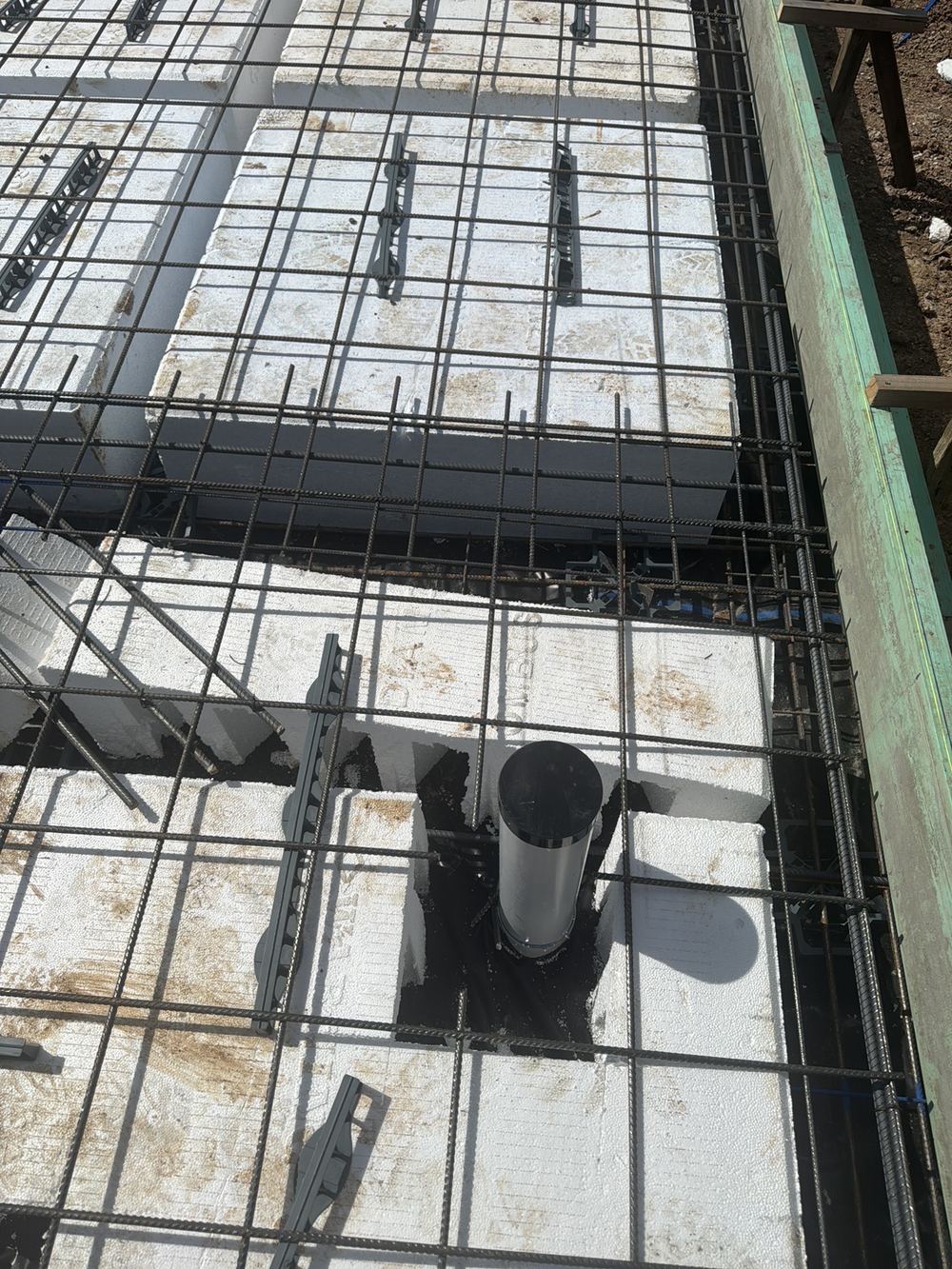
Tallawong sits on the Wianamatta shale country of western Sydney, where clay soils swell when wet and shrink as they dry. Lots are typically classified somewhere from moderately to highly reactive under AS 2870, and the classification for your lot is in its geotechnical report, not on a map. A slab designed for that class performs well as long as the ground around it stays at an even moisture. Downpipes left disconnected, garden beds watered against the slab and paving that falls toward the house are what turn a well designed slab into a cracked one.




Western Sydney shale clays are reactive: they move with moisture.
Your lot's AS 2870 class is set by its own geotechnical report.
Even moisture around the slab matters more than the slab design itself.
Disconnected downpipes and poor grading were both found on Tallawong jobs.
Re-entrant corner bars control the shrinkage cracks that start at internal corners.
More about Tallawong
- Building a new home in Tallawong NSW
- Buying a house or townhouse in Tallawong NSW
- Growth and development in Tallawong NSW
- Approvals, Blacktown Council and building disputes in Tallawong
- Termite risk for Tallawong homes
- Common building defects in Tallawong homes
- Wind classification, climate zone and overlays in Tallawong
Written by our local inspection team from work carried out in Tallawong. Licensed building practitioners, NSW Fair Trading licence 366177C.