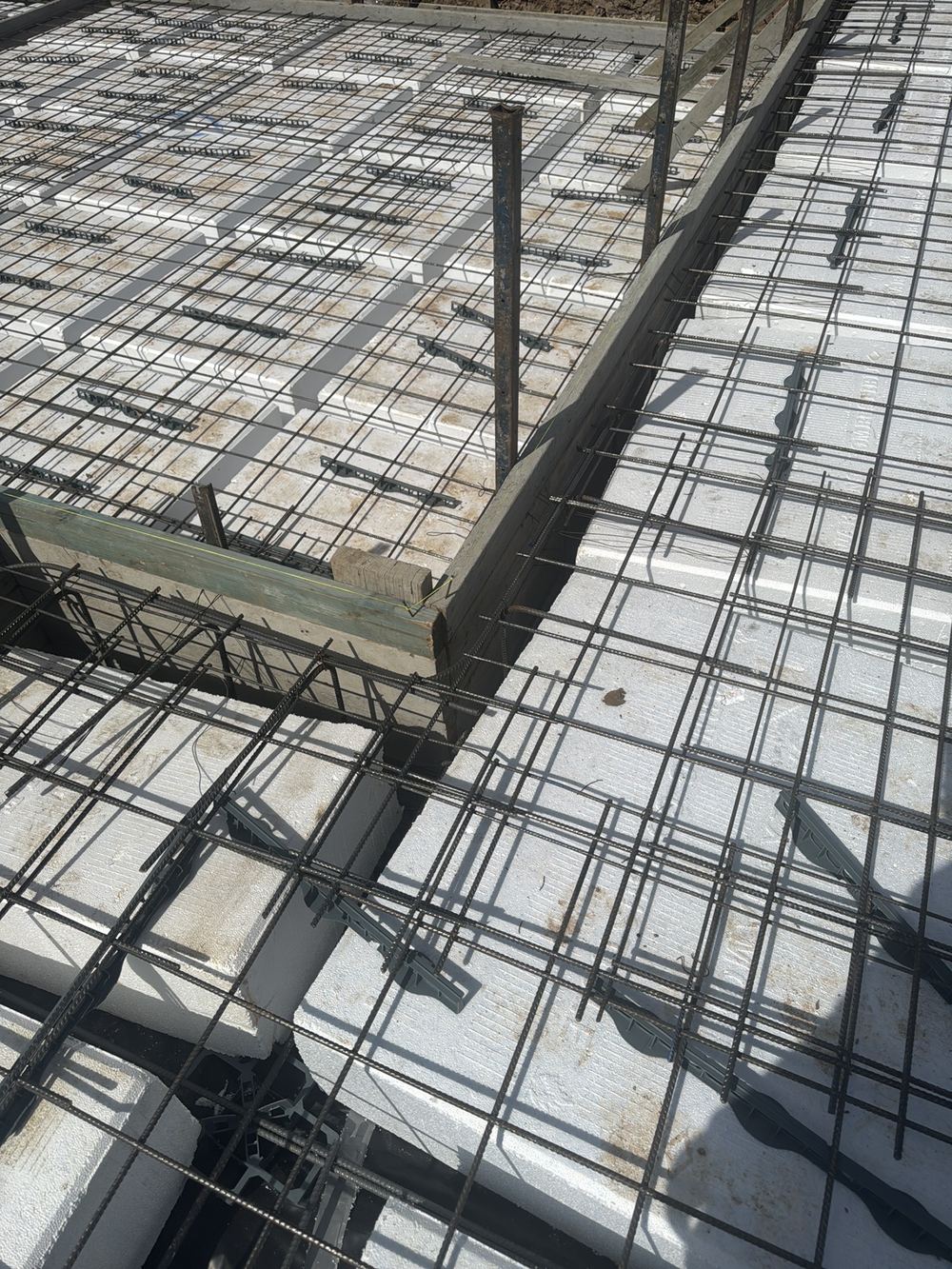
Steel, membrane and penetrations, the day before they disappear for good.
One of our inspectors will call you back. If it is urgent, call 1300 471 805.
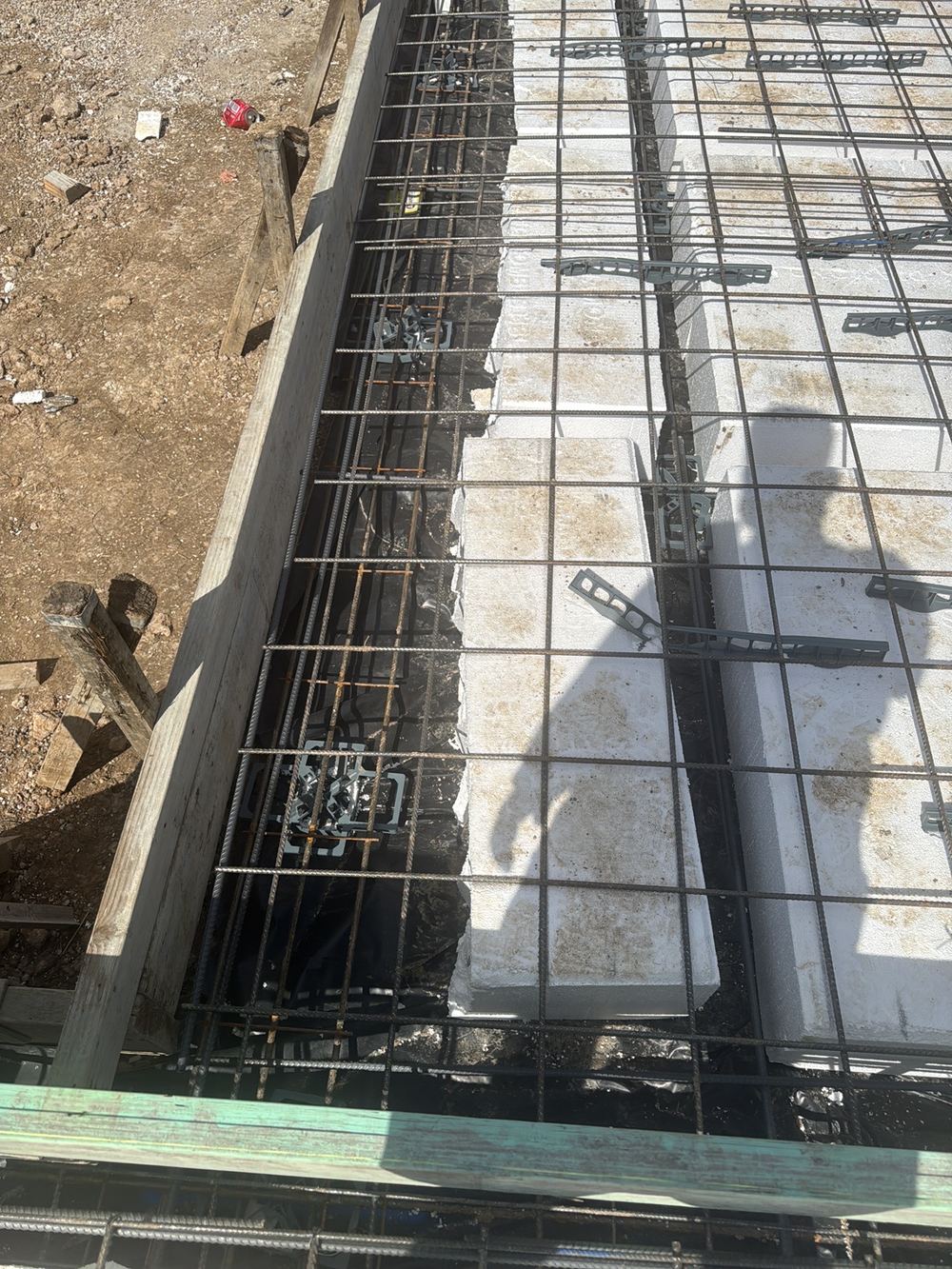
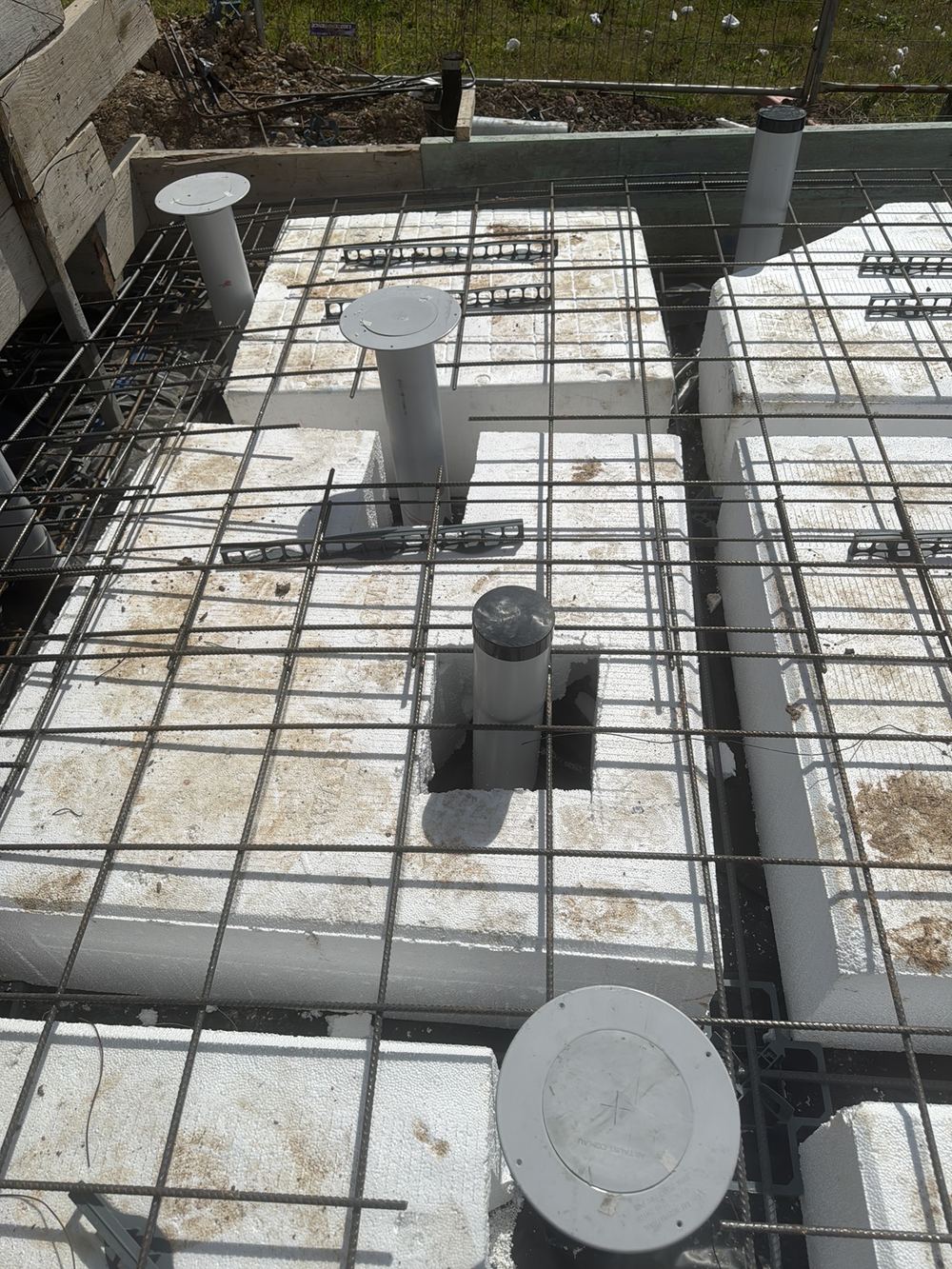
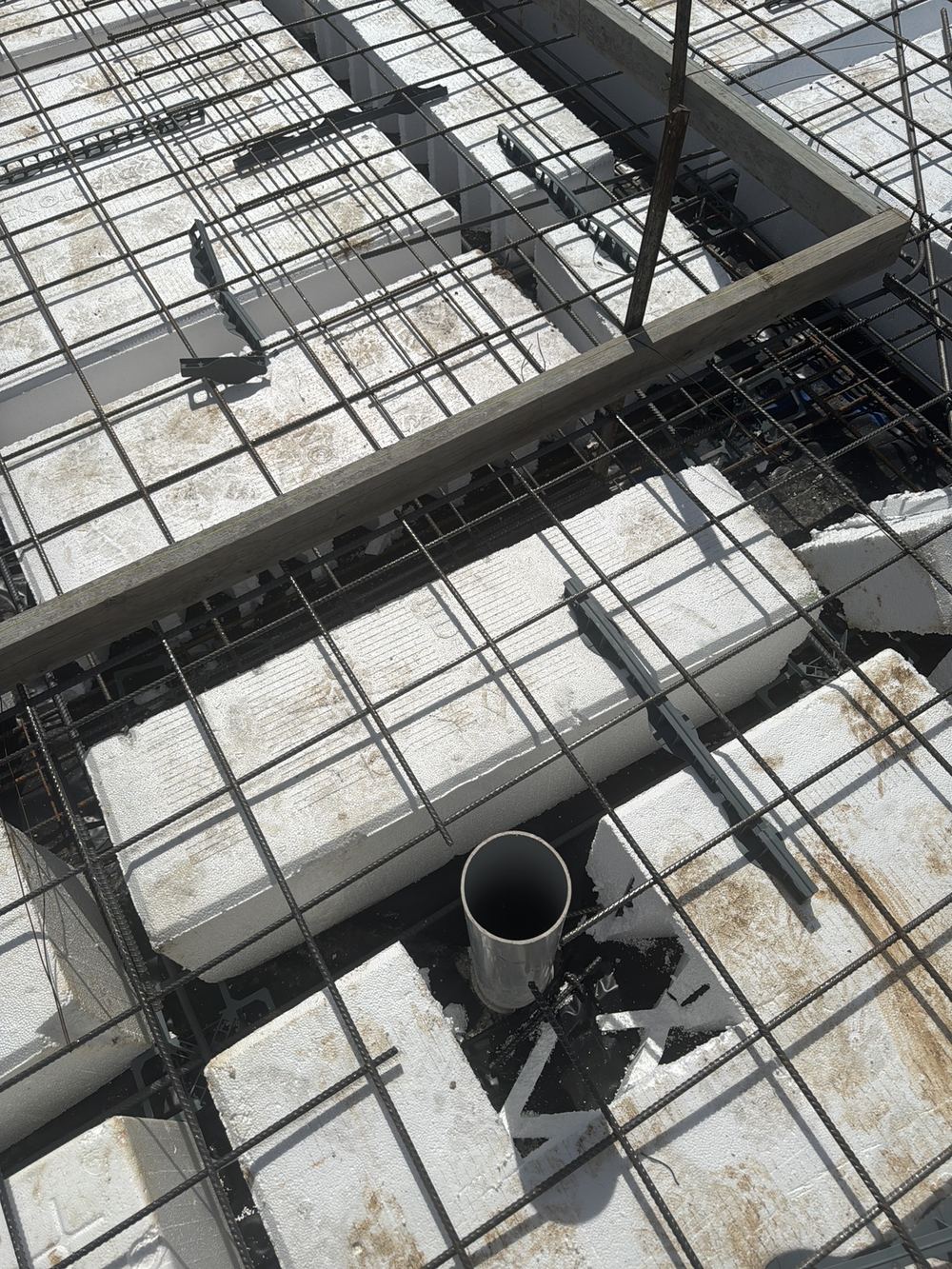
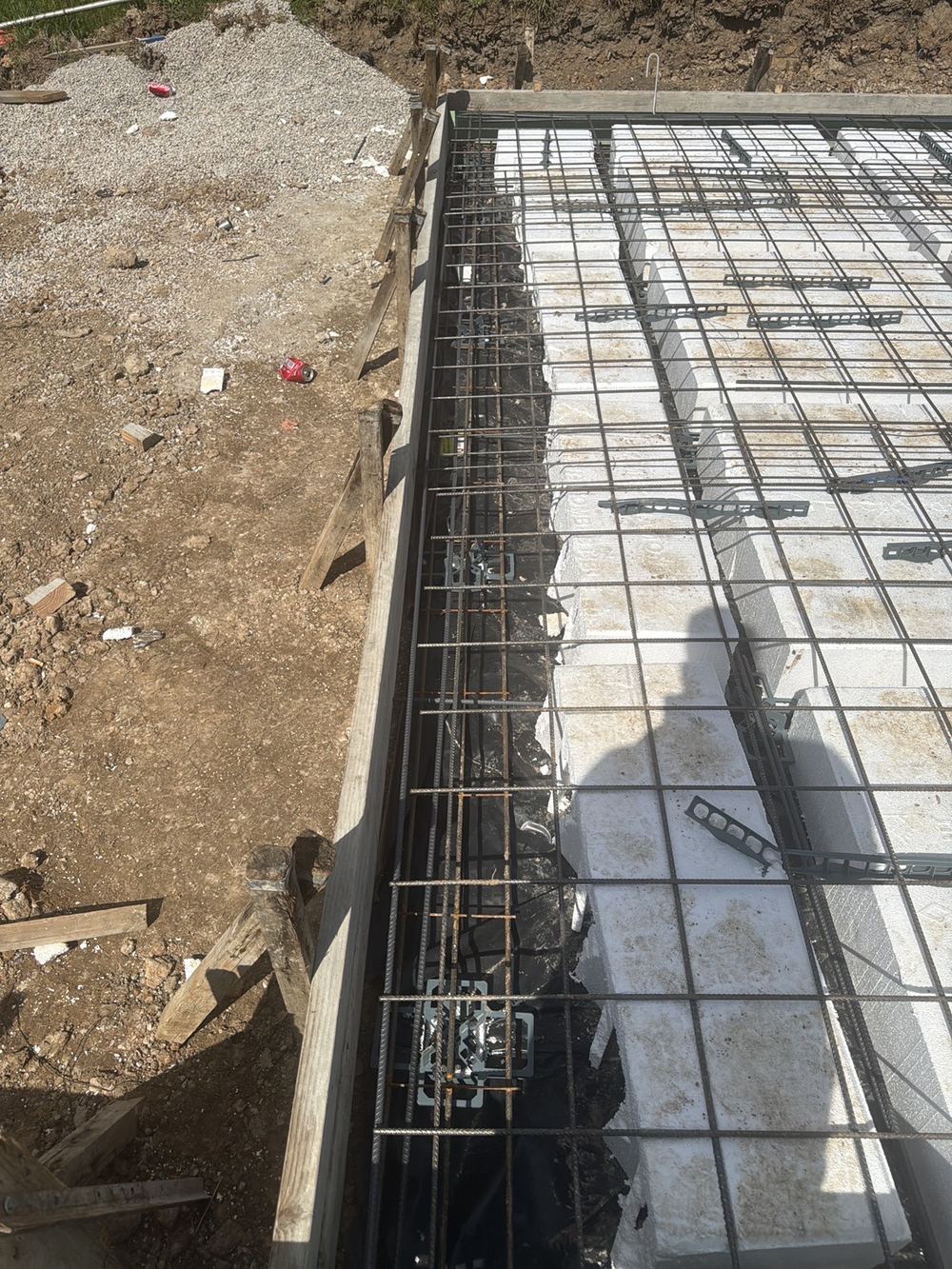
Our August 2026 pre-pour visit in Tallawong produced a list that shows what a slab inspection is for. Internal corners had no re-entrant bars. Edge steel sat too close to the form to get its cover. Mesh touched plumbing penetrations. Termite collars were missing. A beam wider than 300mm lacked its extra bottom bar and loose pods were narrowing another. Every item was fixable before the pour, and none of them could be seen after it.
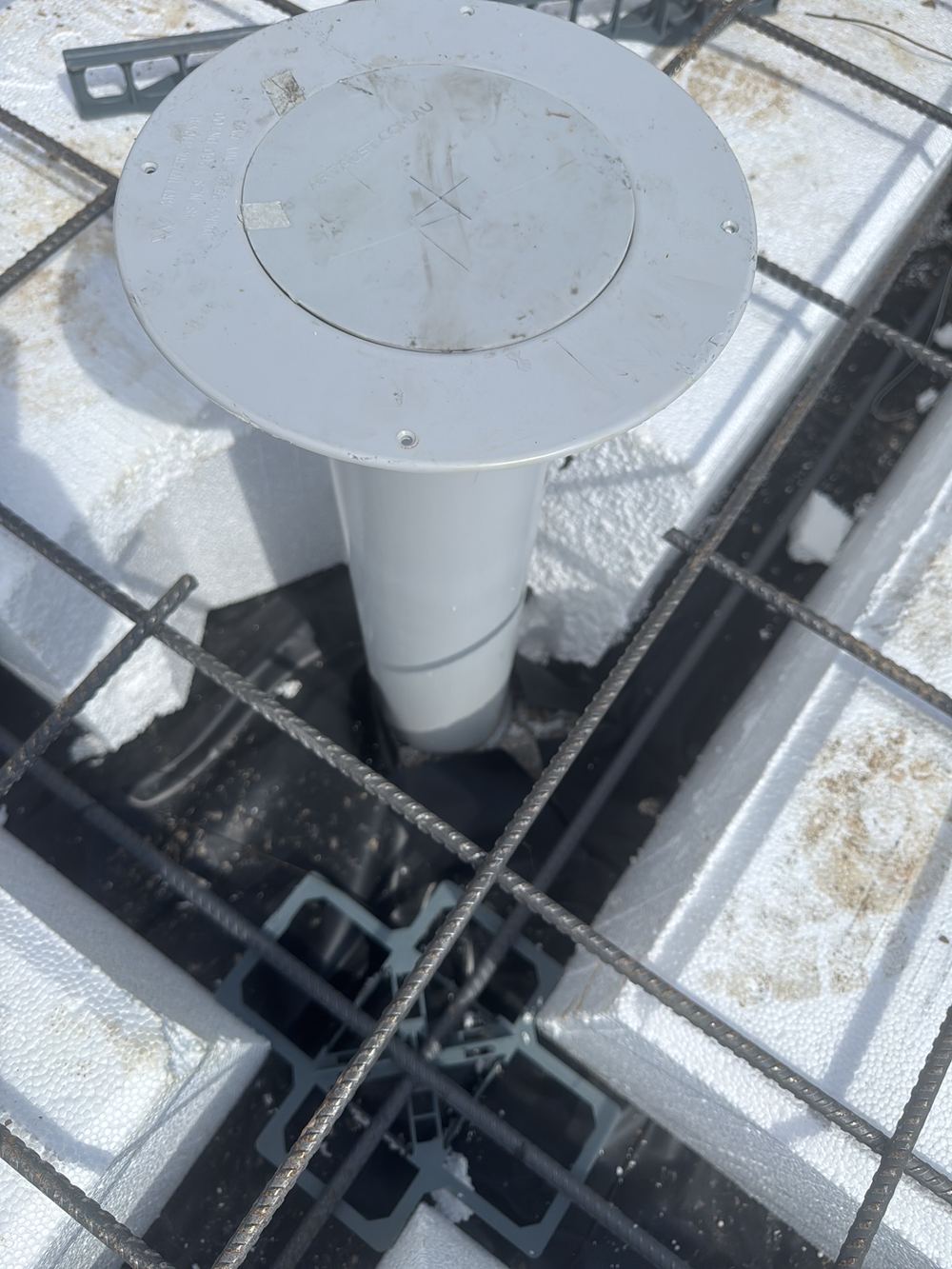
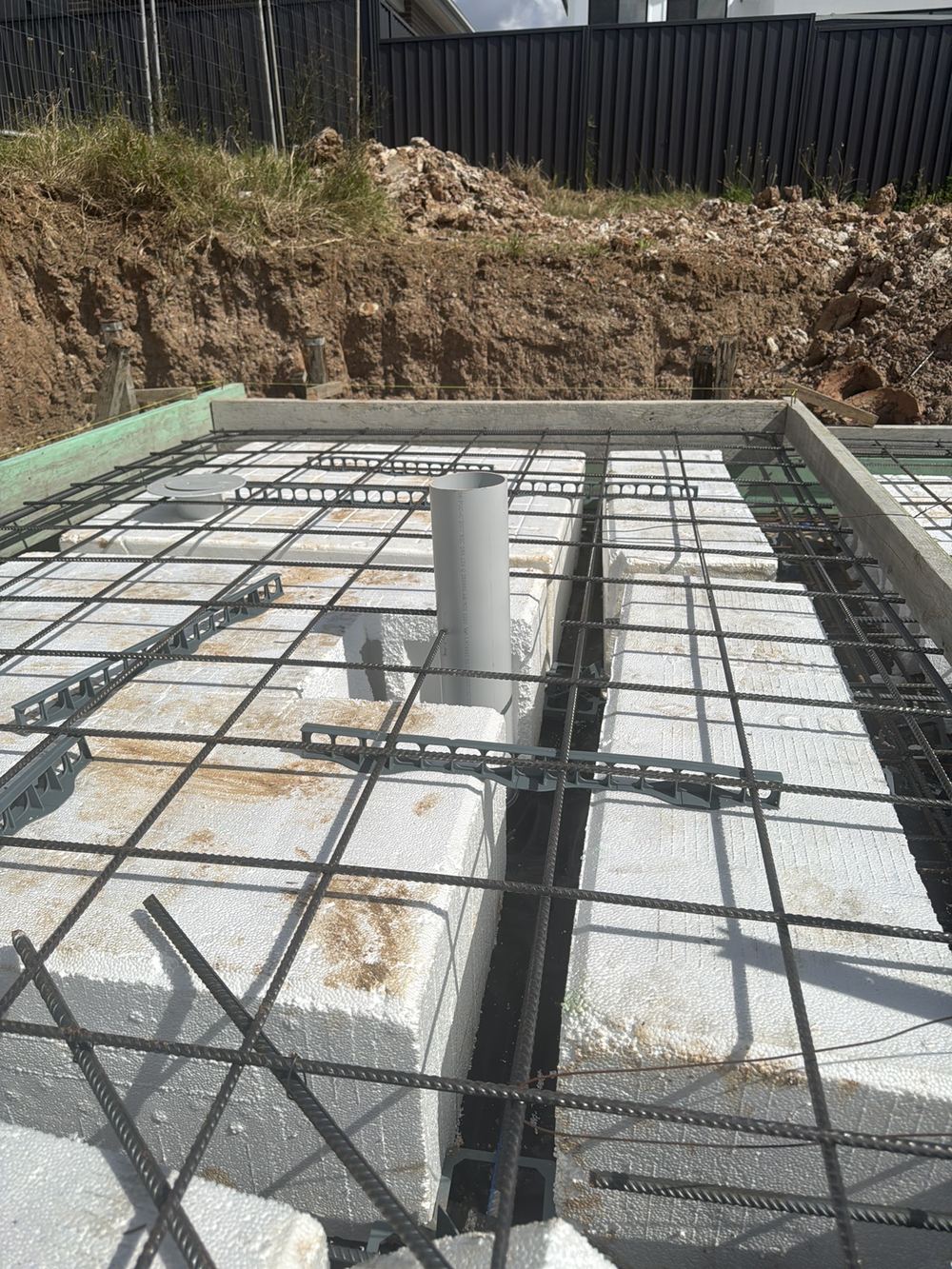
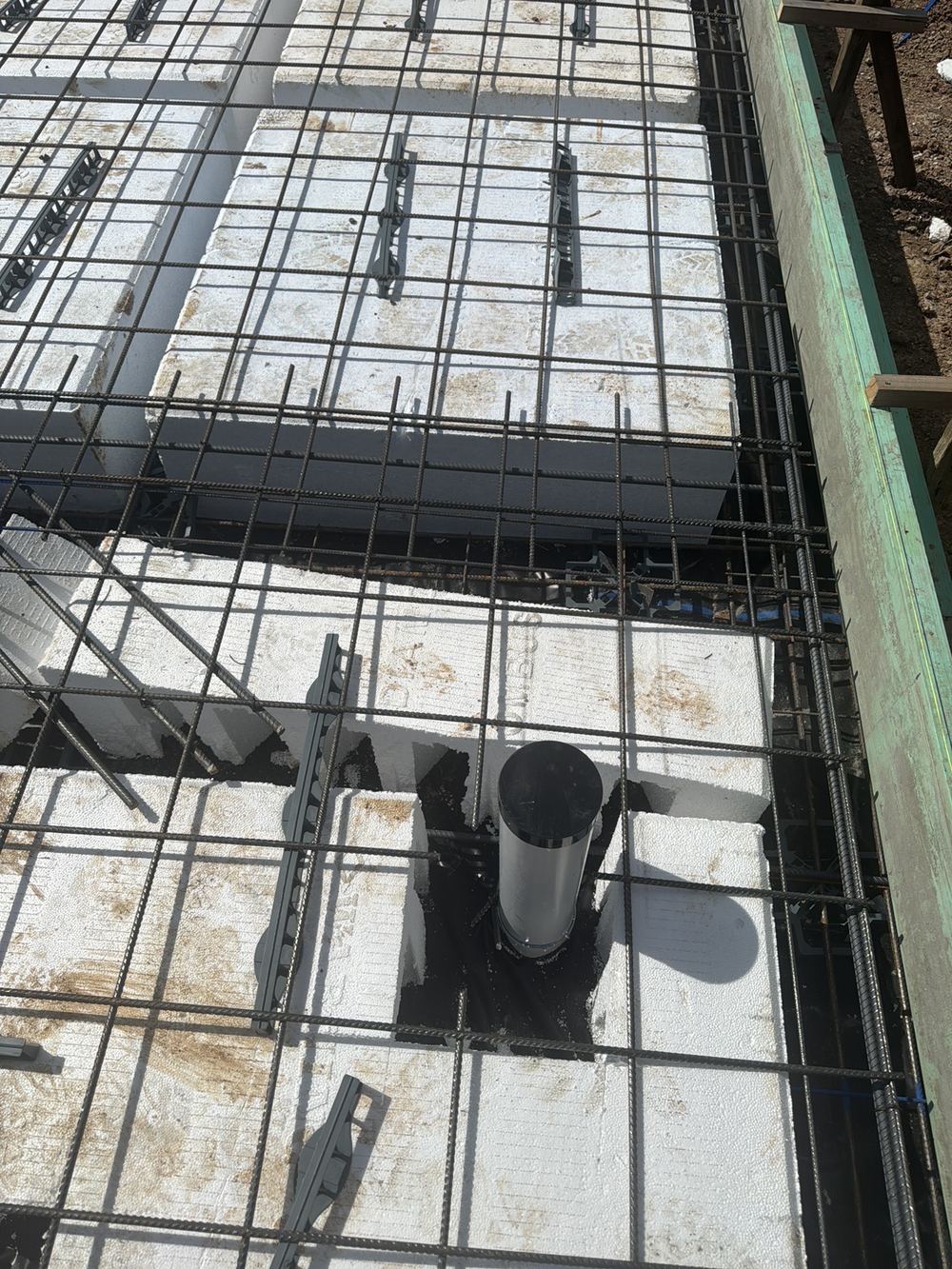
Annotated findings from Slab pre-pour inspections.
 1Bored piersPiers drilled and cages in, concrete not yet ordered
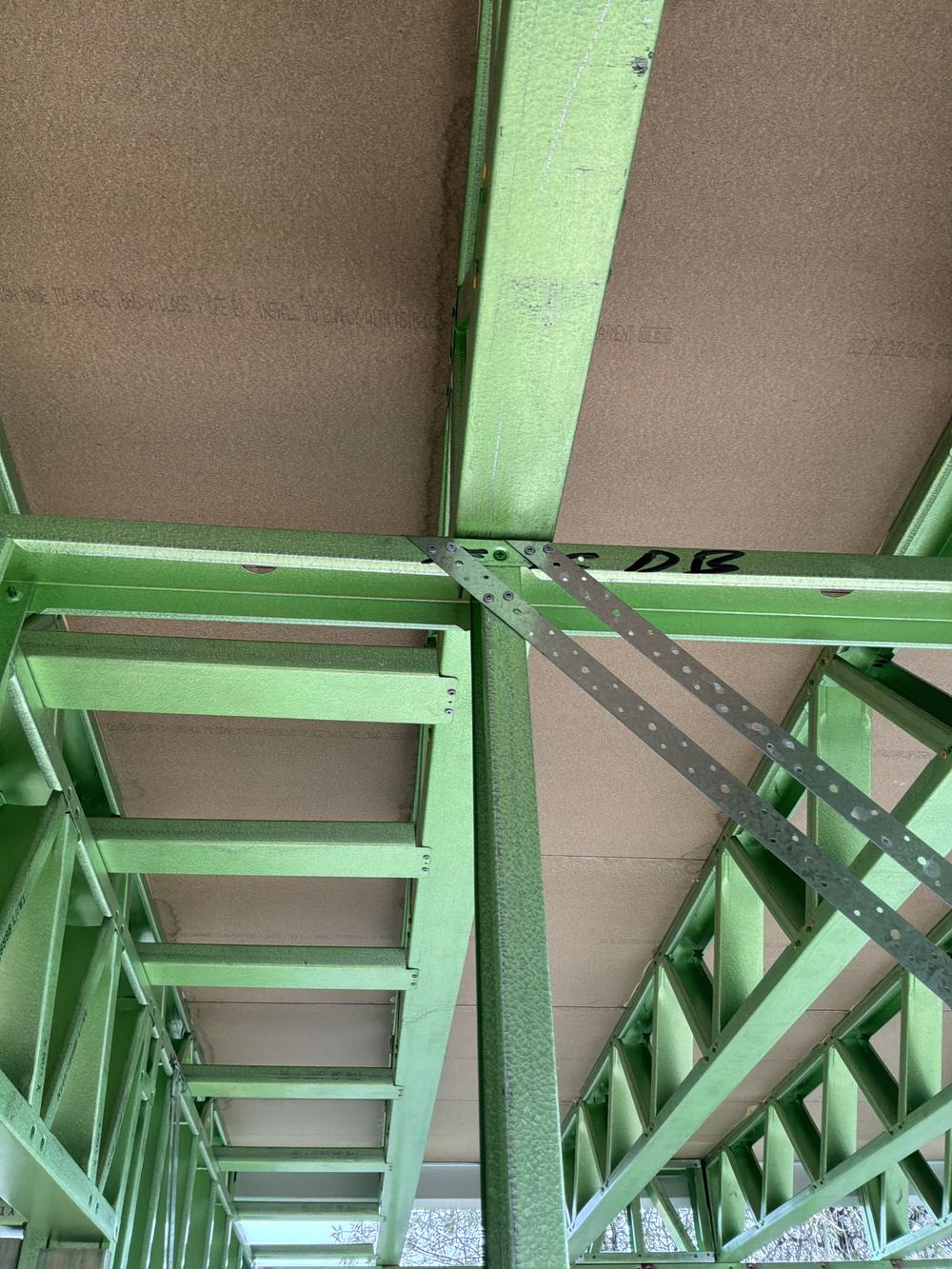 3FrameFrame standing and roof on, before any wrap or lining
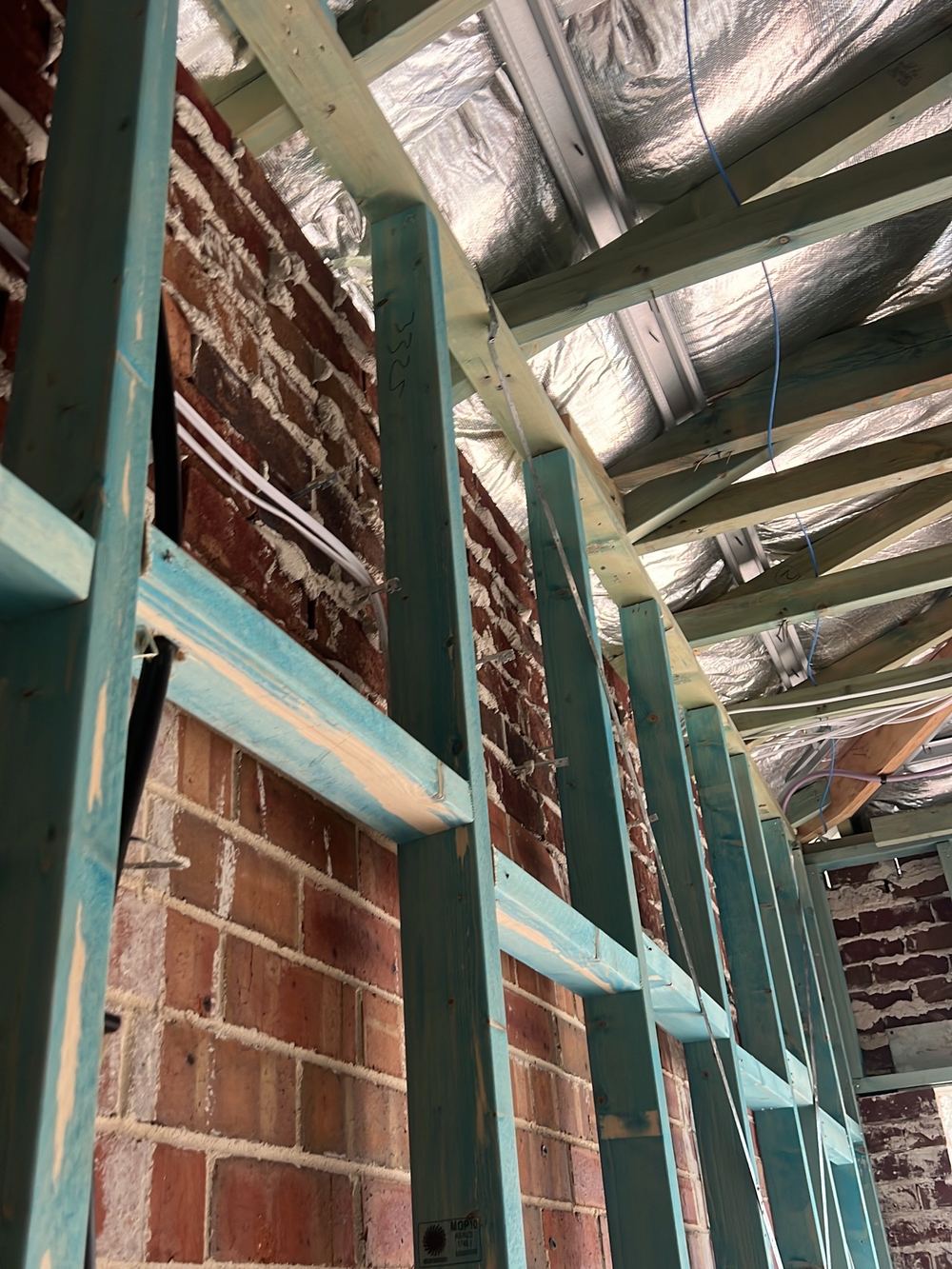 4Lock-up (pre-plaster)Walls, roof and external doors done, plaster not yet hung
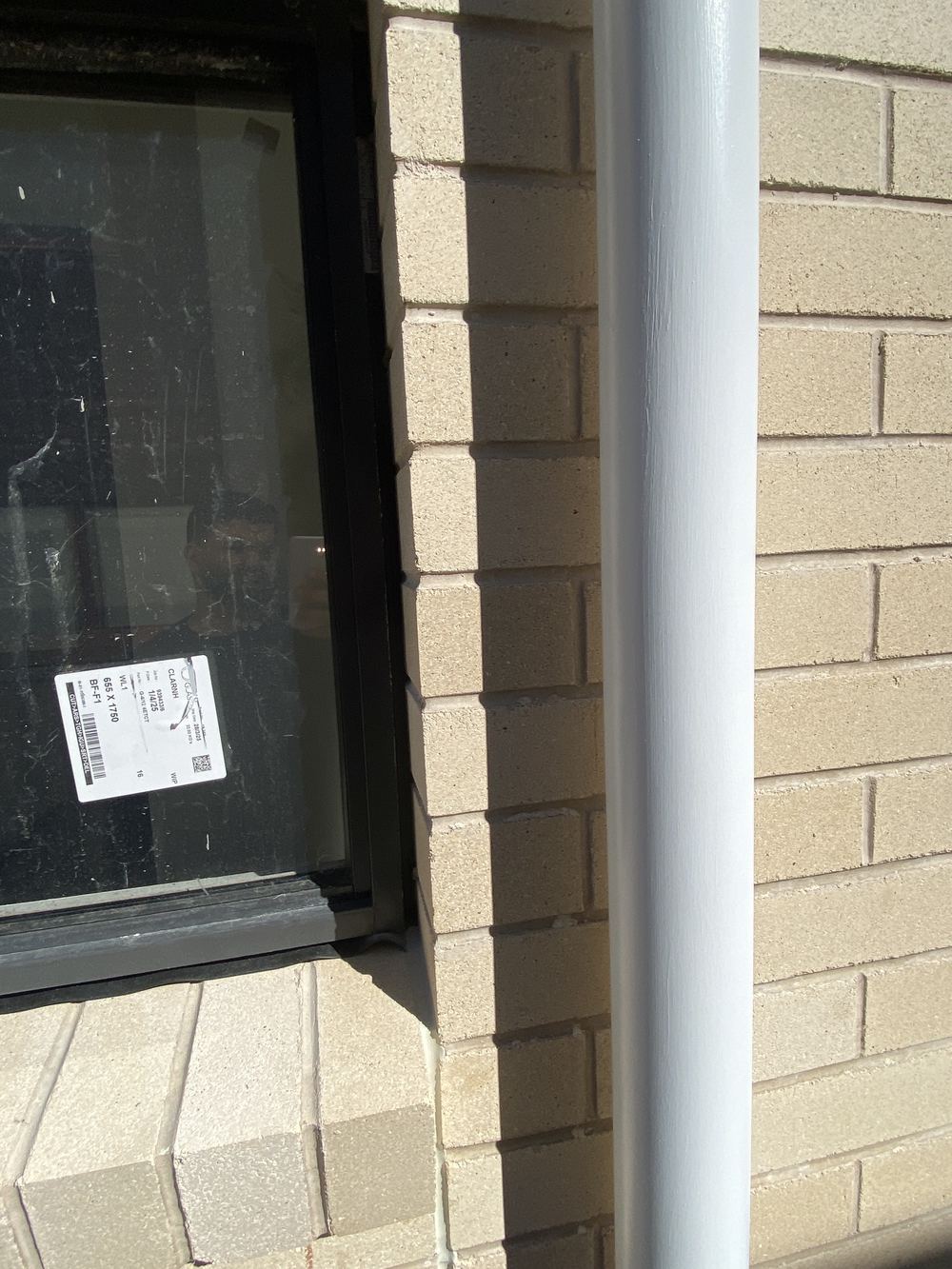 5FixingDoors, stairs and joinery fitted, painter booked next
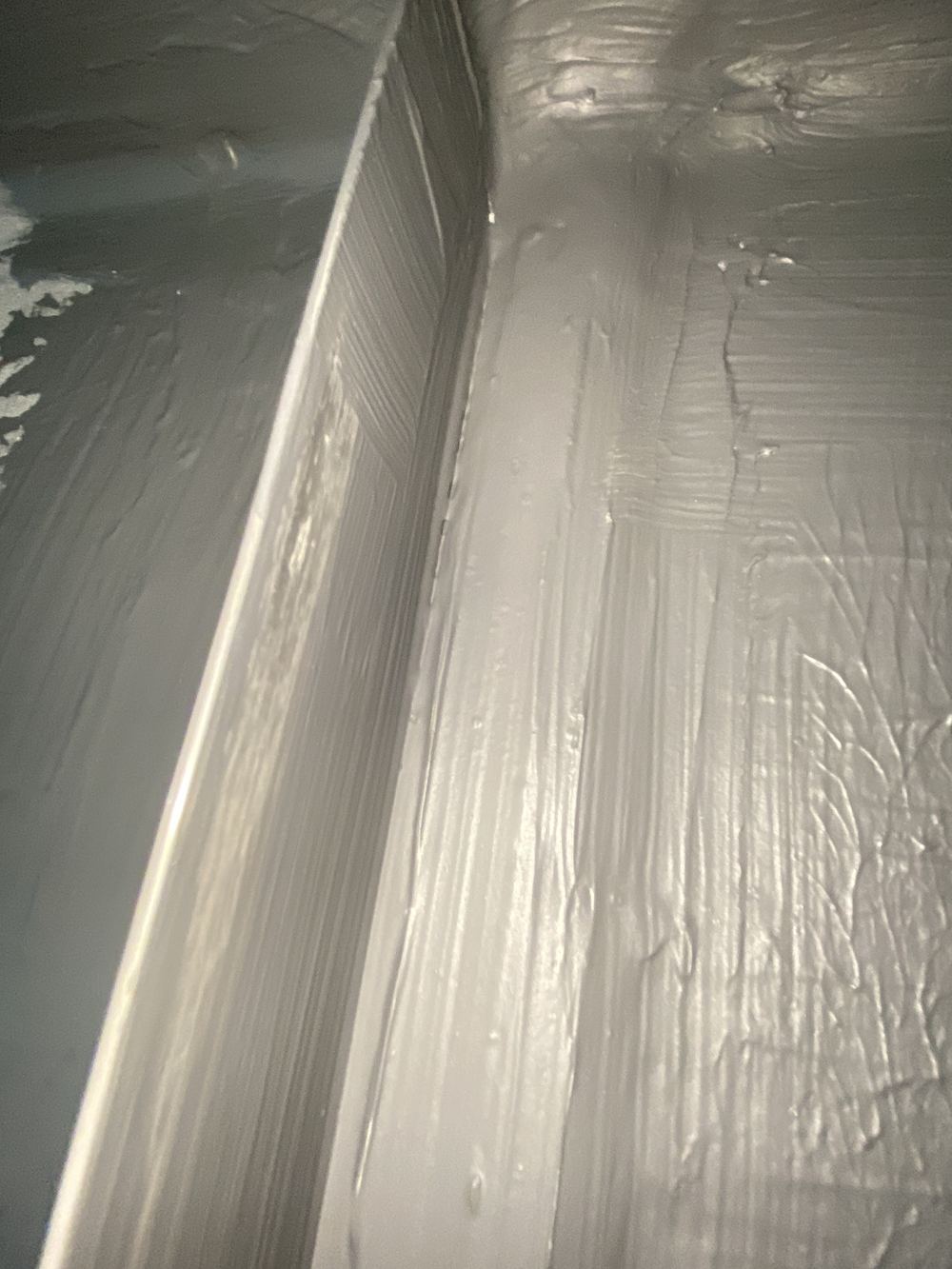 6WaterproofingMembrane cured, tiler not yet started
 7Pre-handover (PCI)About two weeks ahead of the handover date
Instant online pricing, or talk to the booking team on 1300 471 805.
The concrete shrinks as it cures, and the stress gathers at any inside corner. Re-entrant bars across that corner control the crack that would otherwise start there. They are required whether or not the drawing shows them.
The thickness of concrete between the steel and the outside face. Thin cover lets moisture reach the bars, which rust and swell. Bar chairs and edge spacers set it before the pour.
Steel against a pipe leaves no concrete between them, which weakens that spot and can damage the pipe as the slab moves. A 25mm gap is the minimum.
It seals the gap around a pipe through the slab so termites cannot travel up beside it into the walls. Without one, the termite system has a hole in it from day one.
Around an hour to ninety minutes on a typical Tallawong lot, longer on a large or stepped slab.
That is the point. It is sent the same day so the builder can correct the items before the concrete arrives.